Mixed Color Triangle: A Versatile Design for Modern Creativity
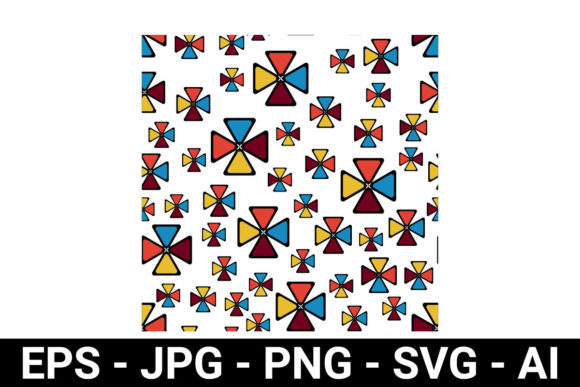
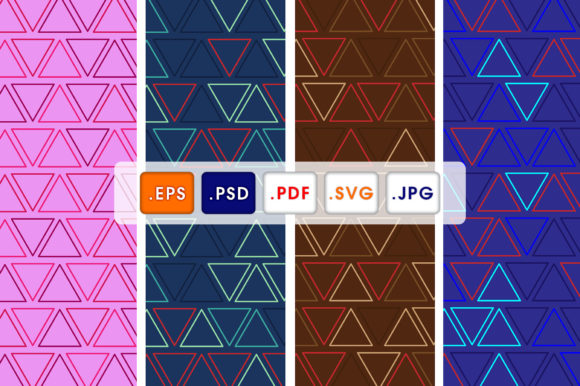
The Mixed Color Triangle is a dynamic and adaptable design element that blends modern aesthetics with classic simplicity. This pattern, characterized by its bold use of color and geometric form, offers a fresh approach to visual storytelling across various applications. From clothing to home decor, the Mixed Color Triangle can enhance any project with its elegance and versatility.
Understanding the Mixed Color Triangle
The Mixed Color Triangle is more than just a visual motif; it represents a strategic choice in design. It combines the structured geometry of a triangle with a palette of vibrant, contrasting colors. This combination creates a striking visual effect that captures attention while maintaining a sense of balance and sophistication. The pattern's adaptability makes it suitable for both digital and physical mediums, ensuring it fits seamlessly into different creative workflows.
When integrated into a broader process, the Mixed Color Triangle serves as a foundation for innovation. It can be used to add visual interest to a product, enhance a marketing campaign, or elevate the aesthetic of a living space. Its presence in a design can signal a shift towards modernity, making it an ideal choice for those looking to refresh their style or communicate a new brand identity.
Applications Across Industries
The versatility of the Mixed Color Triangle allows it to be applied in multiple industries and contexts. In fashion, it can be used on shirts, dresses, and tops to create eye-catching pieces that stand out in a crowded market. For home decor, the pattern can be incorporated into pillows, wall art, and even furniture upholstery, offering a contemporary twist to traditional designs.
In digital media, the Mixed Color Triangle can serve as a background for posters, websites, or social media content. Its clean lines and vibrant colors make it an effective tool for drawing attention and conveying a message. Whether used in print or digital formats, the pattern maintains its impact, making it a valuable asset for designers, marketers, and content creators.
Integration into Creative Workflows
Integrating the Mixed Color Triangle into a creative workflow requires careful planning and consideration. Before starting a project, designers can use the pattern as a reference point to establish a cohesive visual language. During the execution phase, the pattern can be applied to different elements to maintain consistency and reinforce the overall theme.
After completing a project, the Mixed Color Triangle can be used to evaluate the effectiveness of the design choices. By analyzing how the pattern interacts with other elements, creators can identify areas for improvement and refine their approach for future projects. This iterative process ensures that the design remains relevant and impactful over time.
Interactions with Other Tools and Resources
The Mixed Color Triangle works well with a variety of tools and resources, enhancing the overall design process. When paired with graphic design software like Adobe Illustrator or Photoshop, the pattern can be easily customized to fit specific needs. These tools allow for adjustments in color, size, and placement, ensuring the design meets the requirements of the project.
Additionally, the Mixed Color Triangle can be combined with other design elements such as typography, textures, and patterns. This synergy creates a layered and visually engaging composition that resonates with the target audience. By experimenting with different combinations, creators can discover new ways to express their ideas and connect with their audience.
Practical Implementation Tips
To effectively implement the Mixed Color Triangle, consider the following tips:
- Start with a clear purpose: Define the goal of using the pattern and how it aligns with the overall design strategy.
- Test different variations: Experiment with color schemes and layouts to find the most effective representation of the pattern.
- Ensure compatibility: Verify that the pattern works well with other design elements and platforms, such as websites or print materials.
- Focus on usability: Prioritize clarity and readability, especially when using the pattern in digital contexts.
- Maintain consistency: Apply the pattern uniformly across all elements to create a cohesive and professional look.
Workflow Examples
Consider the following examples to see how the Mixed Color Triangle can be integrated into different workflows:
- Fashion Design: Use the pattern as a base for a new line of clothing, incorporating it into fabric prints, accessories, and packaging to create a unified brand identity.
- Marketing Campaign: Apply the pattern to promotional materials, such as brochures, banners, and social media posts, to capture attention and convey a modern message.
- Interior Design: Incorporate the pattern into home decor items, like throw pillows or wall art, to add a touch of sophistication and vibrancy to a space.
- Web Design: Utilize the pattern as a background for a website or landing page, enhancing the visual appeal while maintaining a clean and professional layout.
Long-Term Use and Maintenance
For long-term use, the Mixed Color Triangle should be maintained with care to ensure its continued relevance and effectiveness. Regularly review and update the design to reflect changing trends and audience preferences. This proactive approach helps keep the pattern fresh and engaging, preventing it from becoming outdated or irrelevant.
Additionally, consider the scalability of the pattern when applying it to larger projects. Ensure that the design can be adapted without losing its visual integrity. This flexibility allows the pattern to evolve alongside the project, supporting its growth and success over time.
Conclusion
The Mixed Color Triangle is a powerful design element that offers numerous possibilities for creativity and expression. Its ability to blend modern aesthetics with classic simplicity makes it a valuable asset for professionals and hobbyists alike. By understanding its applications, integrating it into workflows, and maintaining its quality, users can harness the full potential of this versatile pattern.