Traditional Batik Design: Timeless Elegance
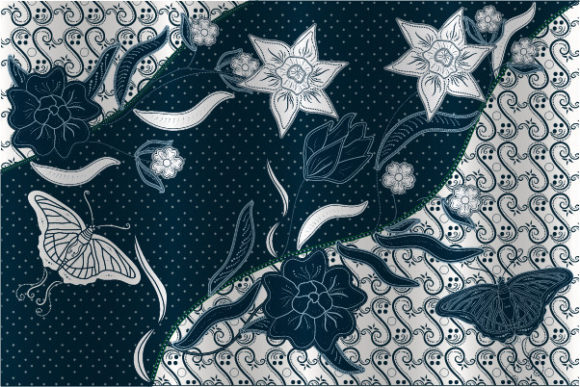
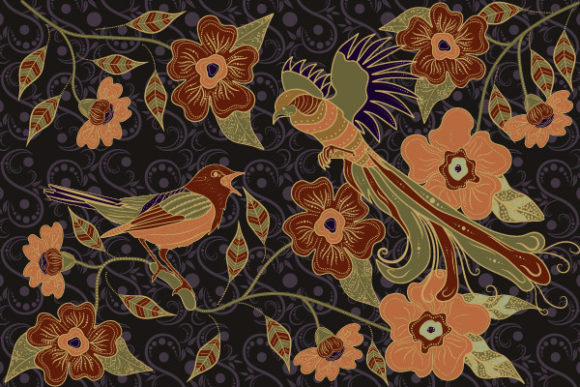
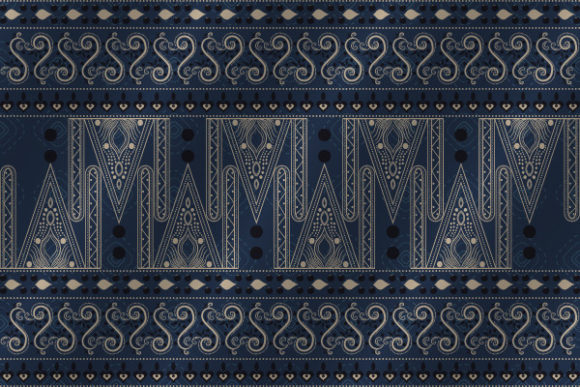
Traditional Batik Design is a rich and intricate art form that has been cherished for centuries, especially in regions like Indonesia. This unique textile pattern involves using wax-resist dyeing techniques to create detailed and vibrant motifs on fabric. The result is a visual masterpiece that blends cultural heritage with artistic expression. For creators, entrepreneurs, and designers, Traditional Batik Design offers a versatile foundation for a wide range of applications, from textiles to digital templates.
What makes Traditional Batik Design particularly valuable is its ability to convey meaning through patterns and colors. Each motif often carries symbolic significance, making it more than just an aesthetic choice. Whether you're designing invitations, fabric patterns, or marketing materials, the depth and history behind these designs can add a layer of authenticity and sophistication to your work.
Key Characteristics of Traditional Batik Design
Traditional Batik Design is known for its intricate detailing, which often includes geometric shapes, floral patterns, and abstract forms. These elements are typically arranged in symmetrical or flowing layouts, creating a sense of balance and harmony. The use of natural dyes once gave batik its signature color palette, but modern interpretations now incorporate a broader range of hues, including bold and vibrant shades.
One of the strengths of Traditional Batik Design is its adaptability. While rooted in tradition, it can be easily modified to suit contemporary tastes and needs. This flexibility allows designers to blend traditional motifs with modern aesthetics, resulting in a design language that feels both familiar and fresh.
The durability and quality of batik fabric also make it a popular choice for high-end textiles. Its resistance to fading and wear ensures that designs remain vibrant and intact over time, making it ideal for long-lasting products like clothing, home decor, and stationery.
Applications of Traditional Batik Design
Traditional Batik Design isn't limited to fabric alone. It has found its way into various creative and commercial fields, offering a unique visual identity for different purposes. For instance, in the realm of textile design, batik patterns are used to create everything from clothing to upholstery, bringing a touch of cultural flair to everyday items.
In the world of invitations and event planning, Traditional Batik Design can elevate the look of paper goods. The intricate patterns and rich colors add a sense of elegance and exclusivity, making them perfect for weddings, corporate events, and cultural celebrations. When combined with modern design tools like Adobe Illustrator, these patterns can be easily adapted to fit specific layouts and formats.
For digital projects, Traditional Batik Design serves as a powerful visual element. Whether you're working on website templates, social media graphics, or mobile app interfaces, incorporating batik-inspired designs can add a unique and memorable aesthetic. The availability of files in multiple formats—such as AI, EPS, JPEG, and PNG—makes it easy to integrate these designs into various platforms and mediums.
Why Choose Traditional Batik Design?
There are several reasons why Traditional Batik Design is a compelling choice for professionals and creatives. First, it offers a distinct visual identity that sets your work apart. In a crowded market, having a design that stands out can make a significant difference in how your brand or project is perceived.
Another benefit is the emotional connection that Traditional Batik Design can evoke. Many people associate batik with tradition, craftsmanship, and cultural pride. By using these designs, you can tap into that sentiment and create a deeper connection with your audience.
From a practical standpoint, Traditional Batik Design is also highly functional. Its versatility allows it to be used across different industries and applications, making it a cost-effective and efficient choice. Whether you're looking to create a new product line, update your branding, or enhance your digital content, batik-inspired designs can provide a solid foundation for your creative efforts.
How to Incorporate Traditional Batik Design
If you're interested in using Traditional Batik Design in your work, start by exploring existing patterns and motifs. Look for sources that offer high-quality, customizable designs that can be easily adapted to your needs. Adobe Illustrator is a powerful tool for editing and modifying these designs, allowing you to experiment with different color schemes, layouts, and compositions.
When selecting a design, consider the context in which it will be used. For example, a batik pattern that works well for a fabric print may not be suitable for a digital template. Pay attention to details like resolution, file format, and licensing to ensure that the design meets your requirements.
Once you've chosen a design, think about how it can be integrated into your project. Will it serve as a background, a border, or a central element? How will it interact with other design elements? By answering these questions, you can ensure that the Traditional Batik Design enhances rather than overwhelms your overall composition.
Final Thoughts on Traditional Batik Design
Traditional Batik Design is more than just a style—it's a legacy of creativity and craftsmanship that continues to inspire. Its timeless appeal, combined with its adaptability, makes it a valuable asset for anyone involved in design, marketing, or creative production. Whether you're working on physical products or digital content, incorporating Traditional Batik Design can add depth, character, and cultural richness to your work.
As you explore the possibilities of this design style, remember to stay true to its essence while embracing innovation. By doing so, you can create something that honors the past while meeting the needs of the present and future.